
The Violence of Isolation
The Royal GameThe story presents the Gestapo’s apparently controlled detention as a form of psychological violence that attacks thought itself.
increasing Bearing strength in each event
 decreasing
Bearing strength in each eventdecreasingThe Hotel as Prison
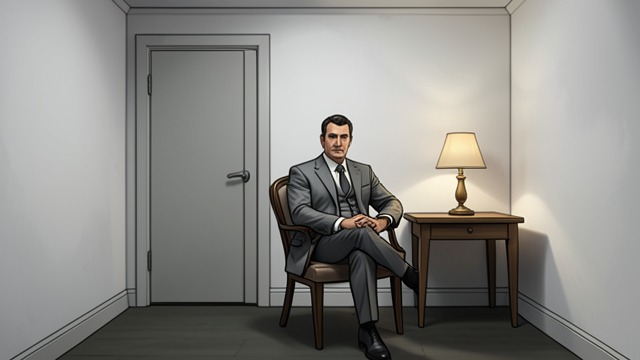
Comfort as a Deception
Individual rooms
Dr B is housed alone rather than placed in a crowded camp. The private room might look like privilege to an outsider, but it is part of a more deliberate interrogation method.
The architecture of silence
The locked door, blank view, and stripped furnishings eliminate ordinary contact. The room’s apparent order conceals a design intended to force information from its occupant.
Time Without Measure
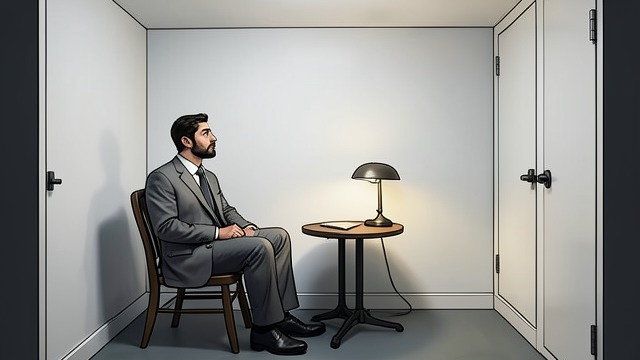
An Empty World
Repetition and disorientation
With no clock, reading, writing, or conversation, Dr B loses the ordinary markers by which time is measured. The same wall and furnishings become objects of compulsive attention.
Thought turns against itself
His mind repeatedly reviews interrogations without access to the authorities’ records. The absence of external information turns reflection into an endless loop rather than a path toward understanding.
A Mind Under Pressure
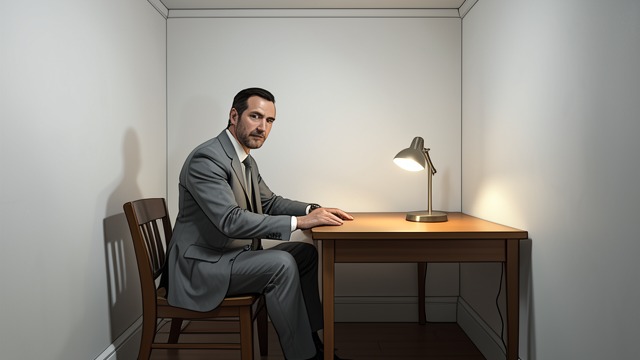
Coercion from Within
The intended result
The authorities rely on isolation rather than visible physical violence to make prisoners reveal secrets. Dr B nearly volunteers information simply to escape the oppressive emptiness.
Damage that continues
His later chess mania grows from the same need for occupation and escape. The method’s consequences survive the cell, shaping how he responds to a real board and opponent.
When Dr B is first taken to Hotel Metropole
During the first four months of isolation
At Dr B’s mental collapse, after months of imprisonment
